
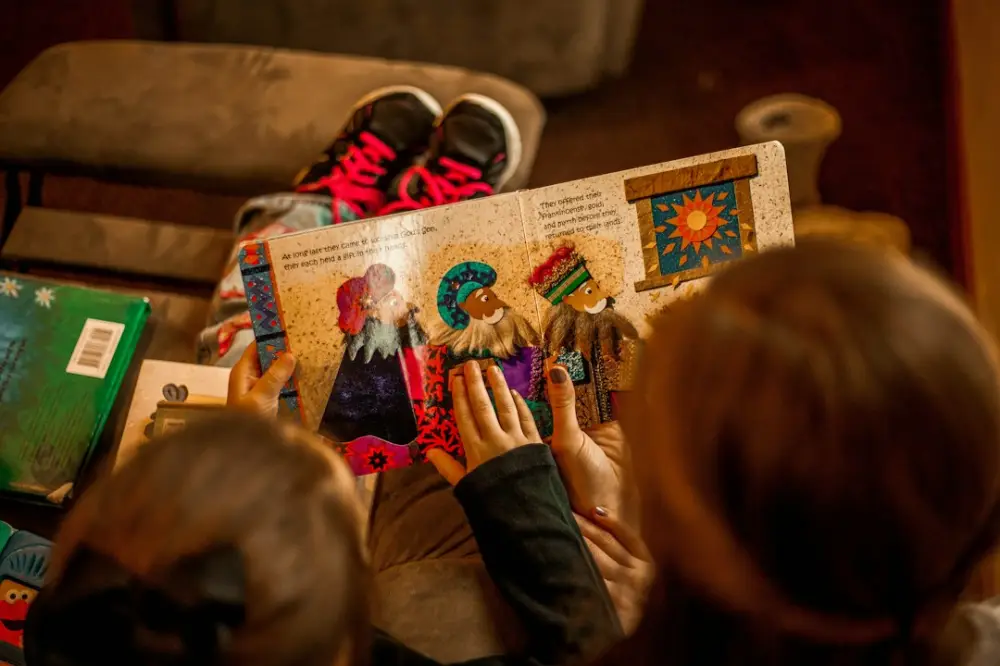
Literacy support for children with learning differences involves specialized instruction tailored to neurodivergent needs, such as dyslexia or processing disorders. By using structured literacy, phonological awareness, and multisensory techniques, educators and families can help children overcome barriers to reading and writing, ensuring they develop the essential skills needed for academic success in 2026.
In many African school settings, identifying these differences early is the most effective way to prevent long-term academic exclusion. Moving away from a general curriculum toward targeted, evidence-based interventions allows children with cognitive or developmental challenges to access the same opportunities as their peers, regardless of their starting point or neurological profile.
Three Main Categories of Reading Disabilities
Understanding why a child struggles to read is the first step in providing the right support. Most reading challenges fall into three distinct categories, each requiring a different instructional focus. Phonological deficits, often associated with dyslexia, are the most common. Children in this category struggle to break words down into individual sounds (phonemes), making it difficult to decode new words or spell accurately.
The second category involves processing speed and fluency. A child may be able to decode words eventually but does so at a very slow pace, which hinders their ability to understand the overall meaning of a sentence. This is sometimes called a "naming speed" deficit. The third category is comprehension deficits, where the child can read words aloud fluently but cannot process the information. This is frequently seen in children with autism or specific language impairments who may decode mechanically without grasping the context.
How to Qualify for Special Education Services
Navigating the path to formal support can be complex, particularly where resources are limited. To qualify for specialized literacy services in 2026, a structured assessment process is typically required to ensure the child receives the correct level of intervention. This process generally follows these steps:
- Initial Screening: Teachers or parents identify that a child is consistently performing below age-matched peers despite standard classroom instruction.
- Medical Clearance: It is essential to rule out physical barriers. A child should have their hearing and vision tested to ensure the struggle isn't simply a result of being unable to see the chalkboard or hear the teacher’s phonetic cues.
- Educational Evaluation: A trained specialist or educational psychologist conducts tests to measure cognitive ability and academic achievement. This helps identify the specific "gap" where the learning difference exists.
- IEP Development: If a disability is identified, an Individualized Education Plan (IEP) is created. This document outlines specific literacy goals, such as mastering 20 high-frequency words or improving phonemic awareness by a certain percentage over six months.
Core Elements of Structured Literacy Approaches
For children with learning differences, standard whole-language approaches often fail. Instead, Structured Literacy is the gold standard. This method is explicit, systematic, and cumulative. It does not assume a child will "pick up" reading through exposure; every rule of the language must be taught directly. For example, a teacher might use a sand tray for a child to trace the letter 'B' while saying its sound, engaging touch, sight, and hearing simultaneously.
Effective literacy programs in 2026 also prioritize morphology—the study of base words, prefixes, and suffixes. In many African languages, understanding how words are built is just as important as phonics. When implementing these strategies, using the 7 best classroom adaptations for developmental differences can help manage the physical and sensory environment so the child can focus entirely on the literacy task at hand.
Practical Ways Families Can Support Reading
Support should not end when the school day finishes. Families play a vital role in reinforcing literacy, even if parents themselves struggle with reading. Simple, low-cost activities can make a significant difference. For instance, using local materials like bottle caps with letters painted on them allows a child to physically manipulate and build words on the kitchen table.
Reading aloud to a child in their mother tongue is another powerful tool. It builds vocabulary and narrative comprehension, which are essential precursors to reading in a second language like English or French. Families can also refer to a guide to accessible learning materials in local contexts to find ways to adapt everyday household items into teaching tools. Consistency is more important than duration; ten minutes of focused, positive letter-sound play every day is more effective than a two-hour session once a week.
Common Misconceptions About Dyslexia and Literacy
There are several myths that continue to hinder progress for neurodivergent children. One common misconception is that dyslexia is a visual problem where children see letters backward. In reality, dyslexia is a language-processing issue located in the brain. While many young children flip letters like 'b' and 'd', those with dyslexia continue to struggle with the sounds those letters represent long after their peers have mastered them.
Another myth is that children with learning differences are less intelligent. On the contrary, many children with dyslexia or ADHD have average or above-average intelligence but simply process information differently. According to the National Institute of Child Health and Human Development, reading is not a natural process like speaking; it is a code that must be cracked. If a child hasn't cracked the code by age eight, they are unlikely to "grow out of it" without targeted intervention. Labeling a child as "lazy" only damages their self-esteem and delays the support they need to succeed.
Recommended Resources for Continued Support
Providing literacy support in 2026 requires a shift toward evidence-based practices that respect the diverse neurological makeup of our students. Educators should look for tools that emphasize phonics and multisensory engagement rather than rote memorization. For those working in rural or under-resourced areas, focusing on oral storytelling and phonemic awareness (the ability to hear and manipulate sounds in spoken words) provides a strong foundation even before books are available. Organizations like the International Dyslexia Association provide free frameworks that can be adapted to various linguistic contexts.
At Mirando por África, we believe that every child has the right to read, regardless of their cognitive or developmental profile. By implementing structured literacy and fostering a supportive home environment, we can bridge the gap for neurodivergent learners across the continent. Our focus remains on providing practical, ground-level guidance that helps teachers and families turn inclusive theory into classroom reality, ensuring no child is left behind because they learn differently.