
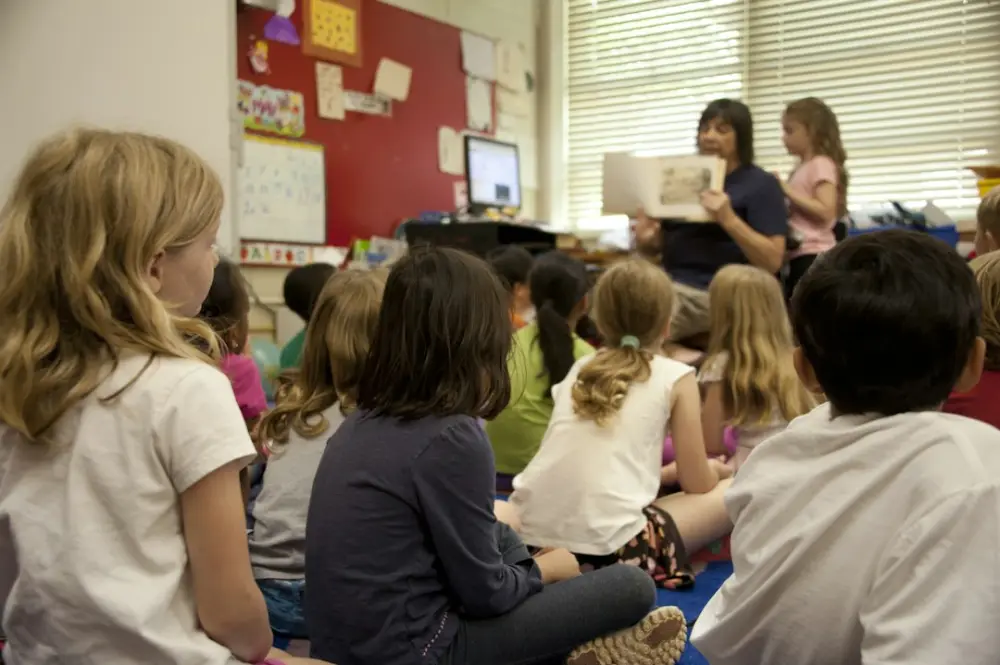
Classroom adaptations for developmental differences are specific modifications to the physical environment, teaching materials, or instructional methods designed to accommodate children with cognitive or sensory challenges. These adjustments ensure that students with autism, Down syndrome, or intellectual disabilities can participate in lessons alongside their peers, removing barriers to learning and social integration.
In many African schools in 2026, teachers face the dual challenge of large class sizes and limited specialized equipment. Implementing these adaptations is not about purchasing expensive high-tech gadgets; it is about intentional, low-cost shifts in how space and information are managed to ensure every child can engage with the curriculum according to their unique needs.
What Classroom Adaptations Mean
At its most practical level, an adaptation is a bridge. It bridges the gap between a standard lesson plan and a child’s current cognitive or physical ability. In the context of 2026 inclusive education, this means moving away from a "one size fits all" model toward a flexible environment. For example, in a school in Nairobi or Lagos, an adaptation might be as simple as providing a visual checklist for a student who struggles with verbal multi-step instructions.
These changes are generally categorized into two types: accommodations and modifications. Accommodations change how a child learns without changing the content—like giving a student extra time to finish a math worksheet. Modifications change what a child is expected to learn, such as asking a child with a severe intellectual disability to identify numbers 1–10 while the rest of the class works on multiplication. Both are essential for empowering children with disabilities through tailored educational pathways.
Why Classroom Adjustments Matter
Without these adjustments, children with developmental differences often experience chronic frustration, which can lead to behavioral outbursts or complete withdrawal from school. In many regions, a child who cannot keep up with the fast-paced lecture style of a traditional classroom is often labeled as "unteachable." This is a tragic waste of potential. Adaptations prove that with the right support, these children can acquire literacy, numeracy, and social skills.
Furthermore, these adjustments foster a culture of empathy among neurotypical students. When a child sees their peer using a communication board or a sensory fidget tool, it demystifies disability. It teaches the entire class that everyone learns differently and that different is not "lesser." This shift is vital for building a more inclusive society where individuals with disabilities are seen as contributing members of their communities.
How Adaptations Work in Practice
The process of adapting a classroom begins with observation rather than a formal diagnosis, which can be difficult to obtain in rural areas. A teacher identifies where a student is stalling—is it the noise level? The complexity of the text? The physical act of writing? Once the barrier is identified, one of the following seven adaptations can be applied.
1. Visual Schedules and Timers
Children with autism or anxiety often struggle with transitions between subjects. A visual schedule uses simple drawings or photos to show the sequence of the day (e.g., Morning Circle, Math, Break, Story Time). In a resource-constrained setting, this can be drawn on a chalkboard or a piece of cardboard. Using a physical timer—even a simple sand timer—helps the child visualize how much time is left before a transition occurs.
2. Sensory Break Zones
Many developmental differences come with sensory processing issues. A classroom that is too loud or too bright can cause a "meltdown." A sensory break zone is a designated quiet corner with a mat or a soft chair where a child can go for five minutes to regulate their nervous system. In many African classrooms, this can be achieved by placing a small reed mat in a corner screened off by a simple fabric curtain.
3. Peer Buddy Systems
This is one of the most effective low-cost tools available. A teacher pairs a student with developmental differences with a supportive peer. The "buddy" helps the student find the right page in a book or reminds them of the next step in an activity. This provides inclusive learning and support for african students while building leadership skills in the peer buddy.
4. Task Chunking and Scaffolding
Large assignments can be overwhelming. Chunking involves breaking a task into tiny, manageable steps. If the task is to write a sentence, the teacher might first ask the child to draw a picture, then label one object, then write the full sentence. Each small success builds the confidence needed to move to the next step, preventing the child from shutting down.
5. Alternative Communication Boards
For non-verbal children or those with limited speech, communication boards are essential. These are simple boards featuring pictures of common needs (e.g., "water," "toilet," "help," "finished"). By pointing to a picture, the child can express themselves without the frustration of being misunderstood. These can be hand-drawn to reflect local objects and food, making them culturally relevant.
6. Flexible Seating and Position
Some children with developmental challenges have low muscle tone or a high need for movement. Forcing them to sit on a hard wooden bench for hours is counterproductive. Adaptations might include allowing a child to stand at the back of the room, sit on a cushion on the floor, or have a "fidget" (like a smooth stone) to hold while listening. This physical freedom often improves their ability to focus on the lesson.
7. Simplified Worksheets and Graphic Organizers
A page full of small text can be visually overstimulating. Teachers can adapt materials by increasing the font size, using bold lines to define writing spaces, or using graphic organizers like Venn diagrams or flow charts to represent information visually. This reduces the cognitive load required to process the format, allowing the child to focus on the actual content.
Common Misconceptions
A frequent misconception is that adaptations give certain students an "unfair advantage." In reality, they level the playing field. Just as a child with myopia needs glasses to see the board, a child with ADHD may need a fidget tool to concentrate. It is not an advantage; it is a necessary tool for access.
Another myth is that adaptations are too expensive for most African schools. While high-end assistive technology exists, the most effective adaptations in 2026 remain those that are teacher-led and locally made. Cardboard, recycled containers, and creative seating arrangements cost nothing but time and intentionality. The barrier is often a lack of teacher training rather than a lack of funding.
Key Terms in Inclusive Education
- Neurodiversity: The concept that neurological differences (like autism or ADHD) are natural variations of the human genome rather than "defects."
- Individualized Education Plan (IEP): A document that outlines a student's specific learning goals and the adaptations needed to reach them.
- Sensory Overload: A state where one or more of the body's senses experiences over-stimulation from the environment.
- Scaffolding: A teaching method that provides temporary support to a student as they develop a new skill, gradually removing that support as they gain independence.
Practical Tips for Teachers
If you are a teacher looking to start making your classroom more inclusive in 2026, do not feel pressured to change everything at once. Small, incremental steps are more sustainable and allow you to see what works for your specific students.
- Step 1: Conduct a 30-minute observation. Watch a student who is struggling. Note exactly when they lose focus or become upset. Is it during loud activities or when they are asked to write?
- Step 2: Start with one visual aid. Create a simple visual schedule for the first hour of the day and see if it reduces the student's anxiety during transitions.
- Step 3: Consult the parents. Parents often have "hacks" they use at home to help their child stay calm or communicate. These can often be replicated in the classroom.
- Step 4: Rearrange the furniture. Create a "quiet zone" or a "movement zone" to see how physical space affects behavior.
Adaptations in Inclusive Classrooms
The transition toward inclusive classrooms is a journey of a thousand small adjustments. When we adapt the environment, we stop asking the child to change their biology and start asking the system to change its delivery. This is the core of the work we advocate for across the continent. By making these seven adaptations part of the standard teaching toolkit, we move closer to a reality where every child, regardless of their developmental path, has a seat at the table of education.
At Mirando por África, we believe that the future of African education lies in our ability to see the potential in every child. These classroom adaptations are not just pedagogical strategies; they are acts of justice that ensure children with cognitive and developmental challenges are no longer invisible. Through practical guidance and a commitment to early intervention, we can transform the learning experience for the most vulnerable students, one classroom at a time.