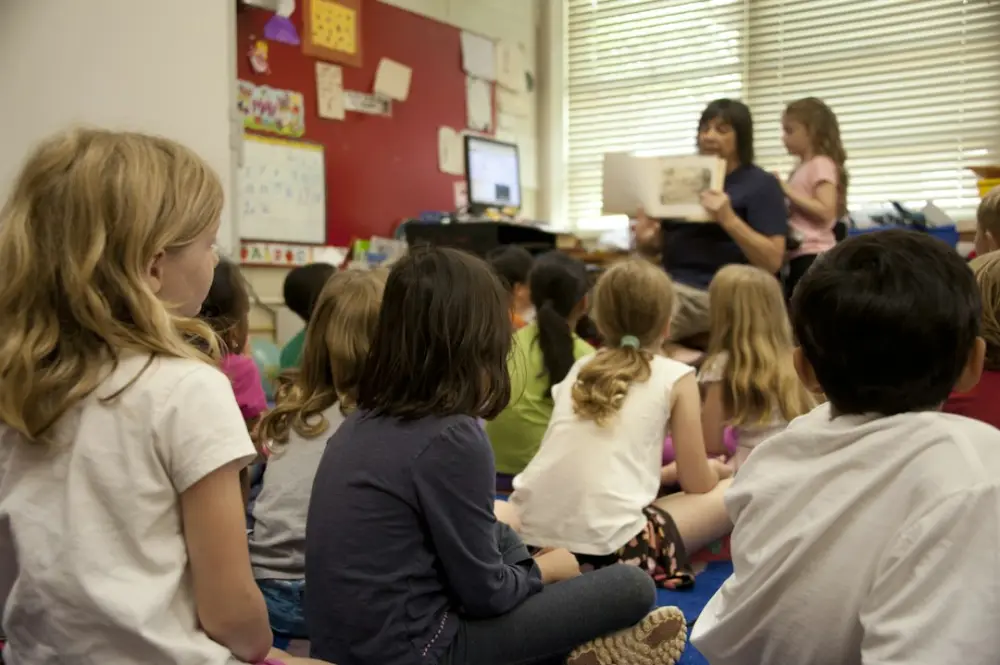
7 Best Classroom Adaptations for Developmental Differences 2026
Classroom adaptations for developmental differences are specific modifications to the physical environment, teaching materials, or instructional methods…
Read article
Because Every Mind Deserves to Grow
Evidence-informed articles for families, educators, and advocates building inclusive learning environments in Africa and beyond.
Explore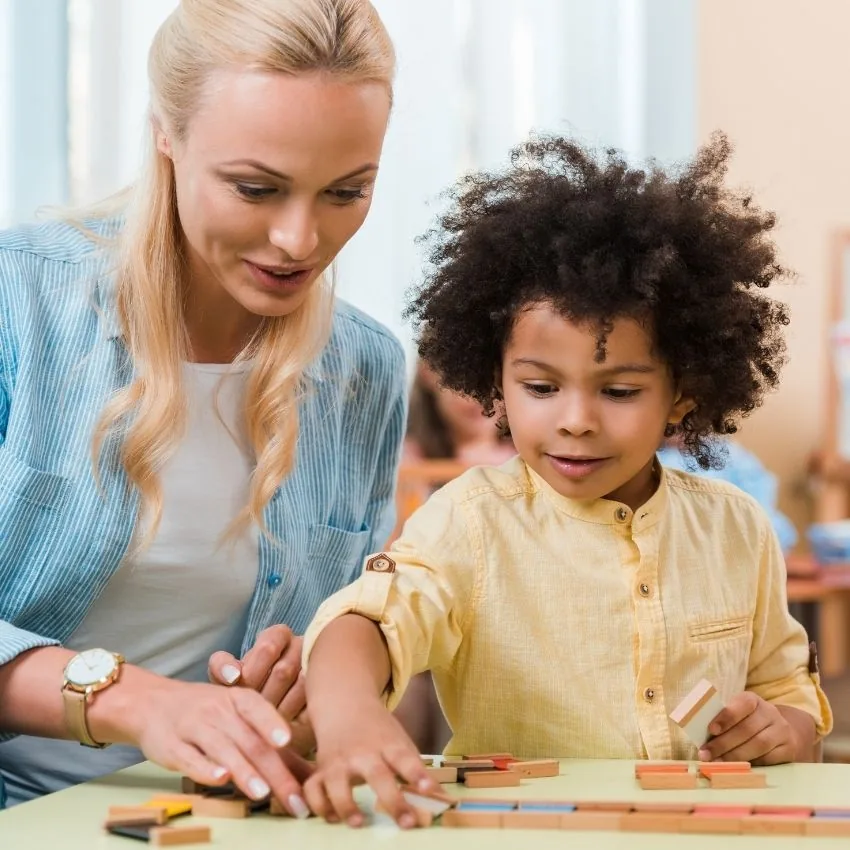
Our mission
Every child can learn when support arrives early, classrooms adapt, and communities see ability before limitation. We highlight approaches that respect dignity and local context.
On the ground
From rural schools to urban therapy centres, partners are proving that thoughtful design—training, low-cost tools, and family engagement—opens doors that used to stay shut.
Start here
Read deeper on the topics we cover most often—each links to a full article.
How timely therapies and screenings shift expectations about what children can achieve.
Affordable devices and apps that help kids communicate, read, and participate in class.
Policy, training, and classroom practices for learners with intellectual disabilities.
Share a programme story, request a resource, or ask a question via the contact page.
“Inclusion is not a single programme—it is the daily choice to design classrooms so every child can belong.”
Journal
Latest essays on intervention, technology, and school systems.
Classroom adaptations for developmental differences are specific modifications to the physical environment, teaching materials, or instructional methods…
Read article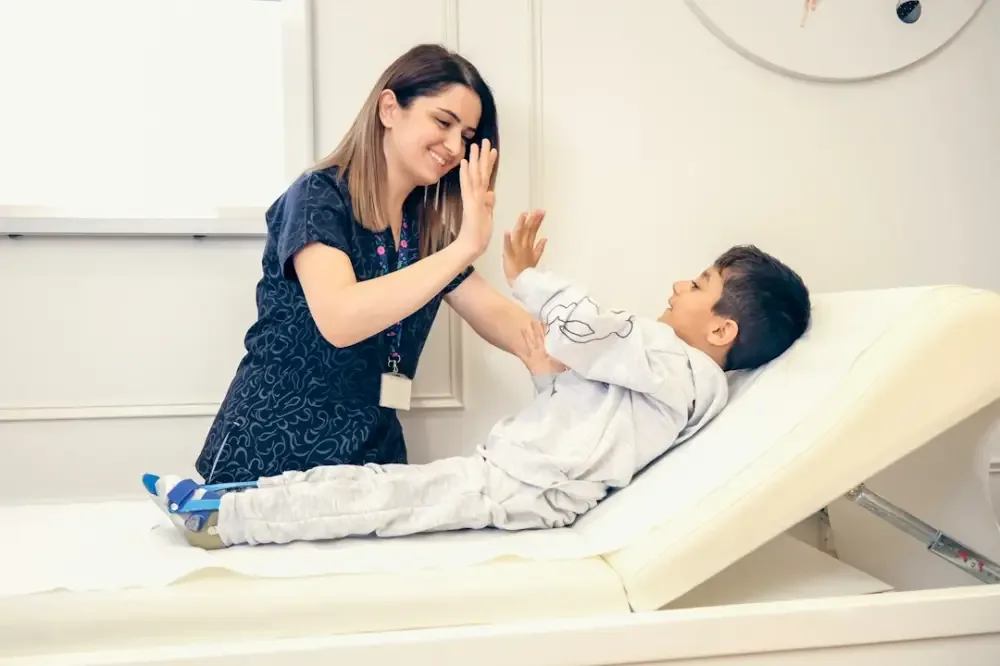
The End of the 'Wait and See' Era For decades, the standard response to a child missing developmental milestones was a shrug and a suggestion to 'wait and…
Read article
The Quiet Revolution: How Simple Tools are Bridging the Learning GapFor decades, the conversation surrounding assistive technology was dominated by images of…
Read articleFAQ
Contributors include educators, therapists, and advocates focused on inclusive education in African contexts. Articles explain ideas in plain language—they are not medical advice for individual children.
Please contact us before reprinting. We are happy to discuss attribution, translations, or adapted guides for community programmes.
Use the contact form with your country, role, and question. We respond from the Mirando por África inbox.